2021 marks the 20th anniversary of Songshan Lake's establishment. Since its inception, Songshan Lake has consistently adhered to the vision of “harmonizing technology with nature, and advancing the new city alongside industry,” and has pursued a single blueprint to the end. It has achieved a triple leap from a lychee grove to a National High-Tech Industrial Development Zone, a National Independent Innovation Demonstration Zone in the Pearl River Delta, and a Pioneer Launch Zone of the Comprehensive National Science Center in the Greater Bay Area. It has attracted major facilities and platforms such as the China Spallation Neutron Source and the Songshan Lake Materials Laboratory, alongside 23 provincial-level new R&D institutions and a cluster of major enterprises. It has become a vital strategic platform for Dongguan's participation in building the Guangdong-Hong Kong-Macao Greater Bay Area International Science and Technology Innovation Center and for representing the nation in international competition and cooperation.
Currently, Songshan Lake has attracted nearly 100,000 talents, including 68 national-level talents, 12 provincial “Pearl River Talent Plan” leading talents, 95 municipal innovation and entrepreneurship leading talents, and 299 municipal specialty talents. It has been selected as a national mass entrepreneurship and innovation demonstration base.
To uncover the secrets behind innovation, entrepreneurship, and wealth creation in this high-tech hub, recently, the Songshan Lake Science and Education Bureau collaborated with Southern Daily to conduct an in-depth, months-long research initiative. They engaged entrepreneurs across various fields within Songshan Lake and its functional zones—including Dalang, Huangjiang, Liaobu, Dongkeng, Dalingshan, Hengli, Shipai, Chashan, Shilong, and Qishi—to decipher the high-quality development path enabled by Songshan Lake's comprehensive, full-chain innovation ecosystem through their remarkable experiences.
This installment takes us to Dongguan Huayan New Materials Technology Co., Ltd., located in Dongguan's Dongkeng Town.
Narrator
Xu Xuhui, a native of Miluo, Hunan Province, holds a Bachelor of Engineering and a Master of Economics from Hunan University.
He previously served as Senior Investment Manager at Hunan TV Media Co., Ltd., Project Manager and Investment Manager at Foxconn's President's Office,and Director of Operations and Vice President at Shenzhen Yutong Packaging Technology Co., Ltd. He currently serves as President and Chairman of Dongguan Huayan New Materials Technology Co., Ltd.
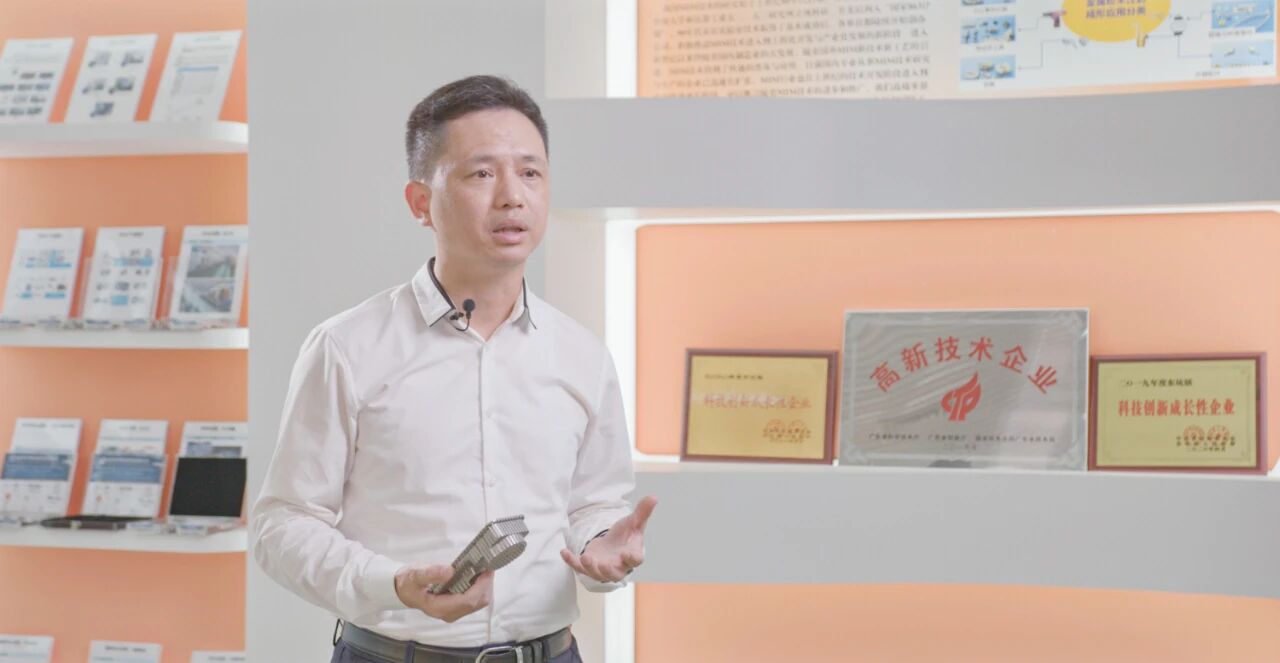
Currently, global technological competition is increasingly shifting toward fundamental research, with new materials research gaining significant momentum. Yet who could have imagined that a new company from Dongguan would emerge as a dark horse in this race?
In 2016, Xu Xuhui led over ten R&D personnel in tackling new materials development within a cramped laboratory. At that time, smartphones were booming, with numerous new materials widely adopted in mobile phone manufacturing, making the competition among new materials R&D enterprises exceptionally fierce.
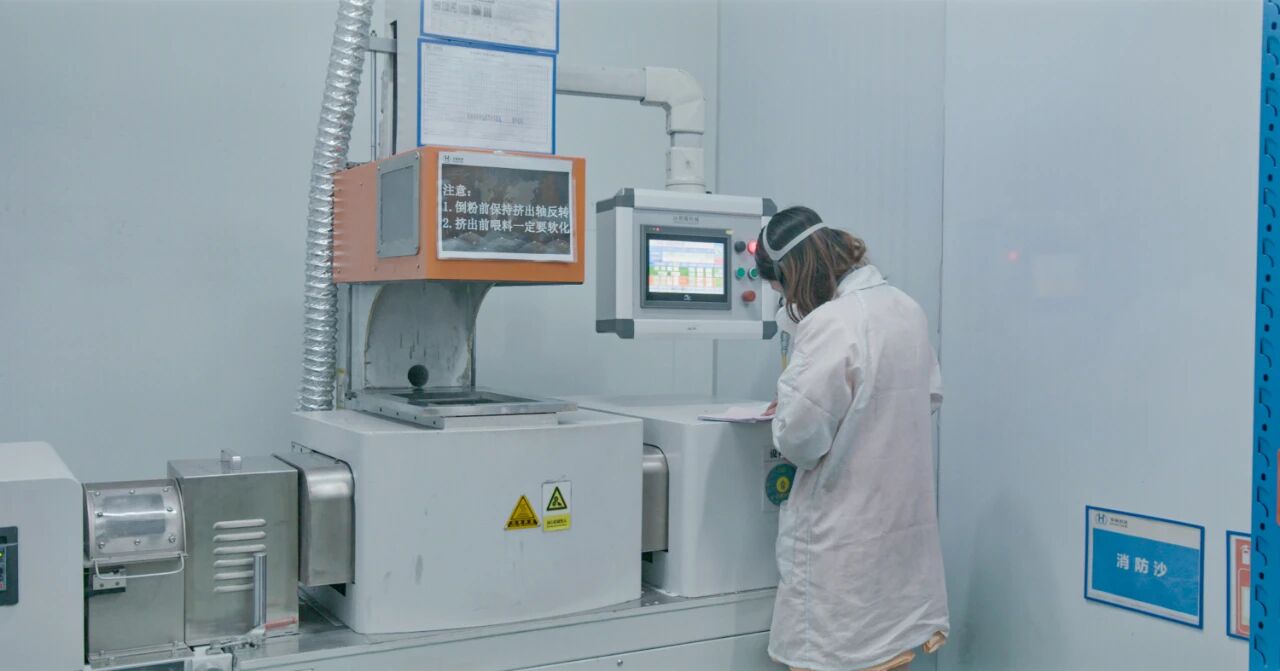
Standing at the forefront of the era, Xu Xuhui feels immense pressure yet is even more exhilarated. After its establishment, Dongguan Huayan New Materials Technology Co., Ltd. (referred to as “Huayan Technology”) suffered consecutive losses of nearly 100 million yuan. Relocating from Chengdu to Dongguan, the company ultimately secured its foothold amidst fierce competition within the industrial chain.
Since producing its first product in 2018, Huayan Technology has rapidly expanded its market presence within the industry. Despite the impact of the COVID-19 pandemic in 2020, the company doubled its revenue to 160 million yuan, establishing itself as a leader in new materials research and development.
Shocked Americans
In 2016, Xu Xuhui led over ten R&D personnel in establishing a research center dedicated to developing new materials and designing precision small hardware components and ceramic parts. That year, China's smartphone market share rapidly consolidated among leading companies like Huawei, Oppo, Vivo, and Xiaomi, with the top five firms commanding an 80% market share. To enhance differentiation, new materials began being extensively incorporated into smartphones.
According to a report by global market research firm TrendForce, worldwide smartphone shipments reached 1.293 billion units in 2015. Riding the wave of smartphone growth, China's new materials industry surged from a production value of 600 billion yuan to 2 trillion yuan in just five years.
After years of fierce competition, the new materials sector has long established a mature industrial chain. For Huayan Technology to enter this arena now is akin to snatching food from the tiger's mouth. Field research indicates that the cycle from R&D project initiation to successful mass production for new materials is exceptionally long. Even with investment from listed companies, tangible results take considerable time to materialize.
Xu Xuhui resolved to tackle this “tough nut.” In his view, only by securing high-end clients first could the company swiftly gain its “entry ticket.” By chance, he learned Apple was developing a core molded component. However, constrained by material and technical limitations, production required traditional methods—manufacturing parts separately before assembly.
Xu deemed this approach inefficient and proposed a bold solution: utilizing newly developed materials and technology to achieve the part via injection molding, drastically reducing manufacturing costs. Previously, no domestic company had ever achieved single-shot injection molding for a product of such large volume and high precision. The proposal sounded “incredible.”
After months of technical breakthroughs, when Xu Xuhui presented the mold to Apple, the Americans' initial reaction was “astonishment.” They recognized that this solution delivered superior product performance, higher processing efficiency, and lower manufacturing costs—a game-changer poised to disrupt many traditional industries.
A year later, the mold that had astonished the Americans entered mass production—marking Huayan Technology's first mold. Through this project, Huayan Technology joined Apple's supply chain, formally entering the global industrial chain competition.
Expanding despite operating at a loss
Xu Xuhui's office features a calligraphy piece inscribed with the phrase “Aspire to Greatness.” He aims to transform Huayan Technology into a globally leading enterprise. Over a decade ago, Xu spearheaded Foxconn's listing on the Hong Kong Stock Exchange, securing the award for Asia-Pacific's Best Mid-Cap IPO that year. Today, as founder and general manager of Huayan Technology, his strategic investment expertise shines even brighter.
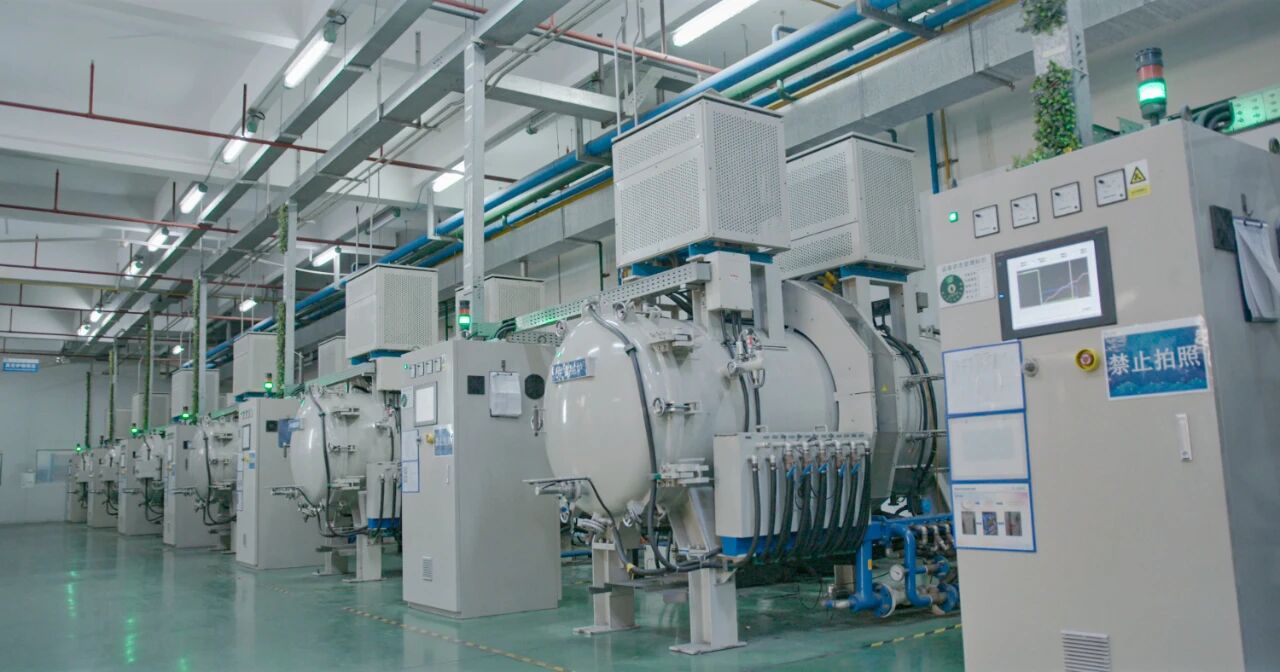
In 2017, Xu Xuhui pressed ahead with expansion despite operating at a loss, introducing high-precision R&D and production equipment to comprehensively establish new material research, design, and precision manufacturing capabilities across precision hardware, ceramic components, and module applications.
During its first two years, Huayan Technology invested a substantial 200 million yuan in R&D and equipment, incurring losses nearing 100 million yuan. Yet the company did not hesitate due to funding constraints; instead, it seized the momentum to rapidly expand its production lines. A key factor was the major shareholder's unwavering trust in Xu Xuhui.
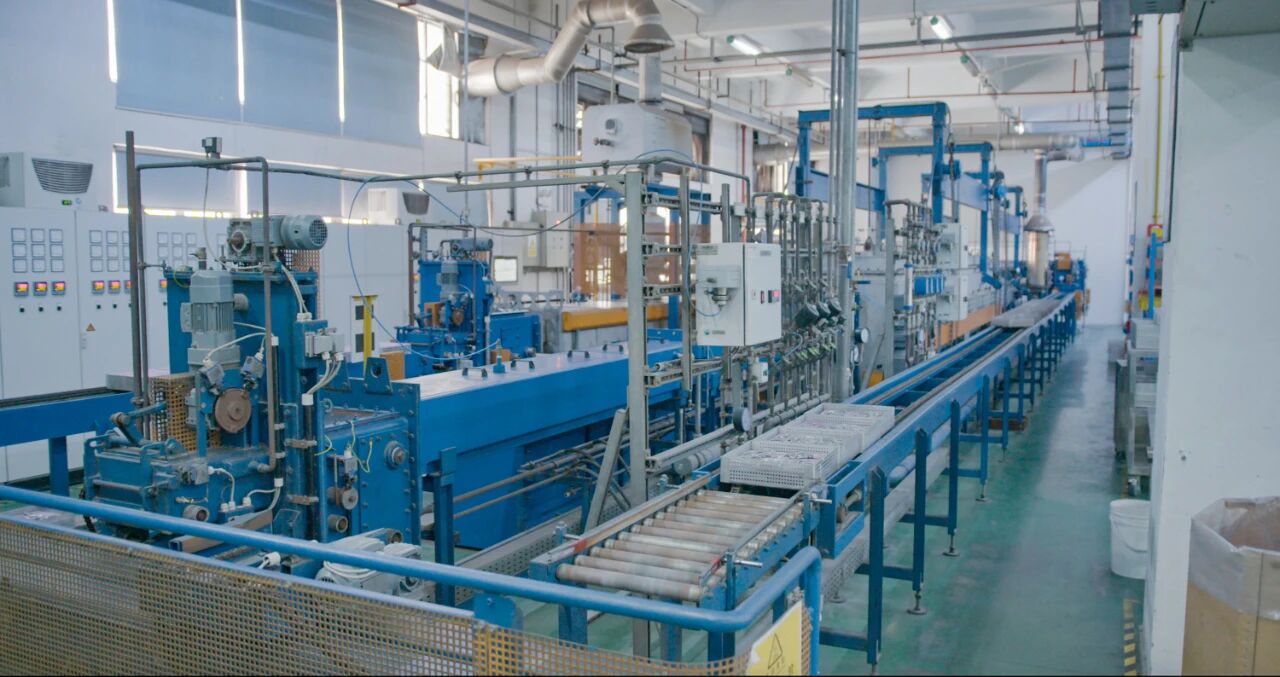
In 2007, Xu Xuhui joined Shenzhen Yutong Packaging Technology Co., Ltd., one of China's top three enterprises in the packaging and printing industry. After years of hard work, Xu rose to become the company's Vice President. Notably, the major shareholder of Huayan Technology is a senior executive from this very company.
Benefiting from its earlier investment strategy, Huayan Technology became a preferred supplier for multiple internationally renowned brands in 2019. These clients included Apple, Google, Microsoft, Samsung, LG, and others, driving the company's annual revenue to nearly quadruple year-over-year.
Huayan Technology's products are widely used in automotive manufacturing, mobile phones, smart wearables, and other fields, involving dozens of suppliers. With each new generation of electronic products, clients almost invariably impose new requirements on material hardness, strength, structure, tolerances, corrosion resistance, and other specifications. To facilitate communication, Xu Xuhui established an office in the United States and frequently commutes between China and the U.S.
Amid increasingly complex international dynamics, some companies opted to reduce collaborations with U.S. clients. Xu Xuhui, however, took the opposite approach. He believes the division of labor and cooperation between Chinese and American enterprises is both well-defined and tightly integrated. He maintains this collaborative model will be difficult to alter in the short term, stating, “It's hard to find another place with such a complete manufacturing ecosystem outside of China.”
In 2020, the COVID-19 pandemic prevented Xu Xuhui from meeting international clients in person, leading to delays or suspensions in some projects. Nevertheless, collaboration between the parties never ceased. That year, Huayan Technology's revenue surged by 70 million yuan year-on-year, nearly doubling.
Expanding into emerging industries
Currently, China is emerging as the world's largest single consumer market, with robust downstream application industries providing tremendous momentum for the development of China's new materials sector. In 2020, Huayan Technology intensified collaborations with Huawei, Xiaomi, OPPO, and vivo, with business transactions with Xiaomi doubling.
According to incomplete statistics, the Guangdong-Hong Kong-Macao Greater Bay Area hosts over 300 industrial clusters, making it one of the world's most dynamic regions. This dense and diverse industrial ecosystem enables regional synergy and smoother supply chain operations.
With the accelerating integration of Dongguan and Shenzhen in recent years, Xu Xuhui frequently travels between the two cities. “Many clients visit our company to inspect R&D and production facilities, but they prefer Shenzhen for business negotiations,” Xu explained. Dongguan's strength lies in manufacturing, while Shenzhen excels in its business environment.
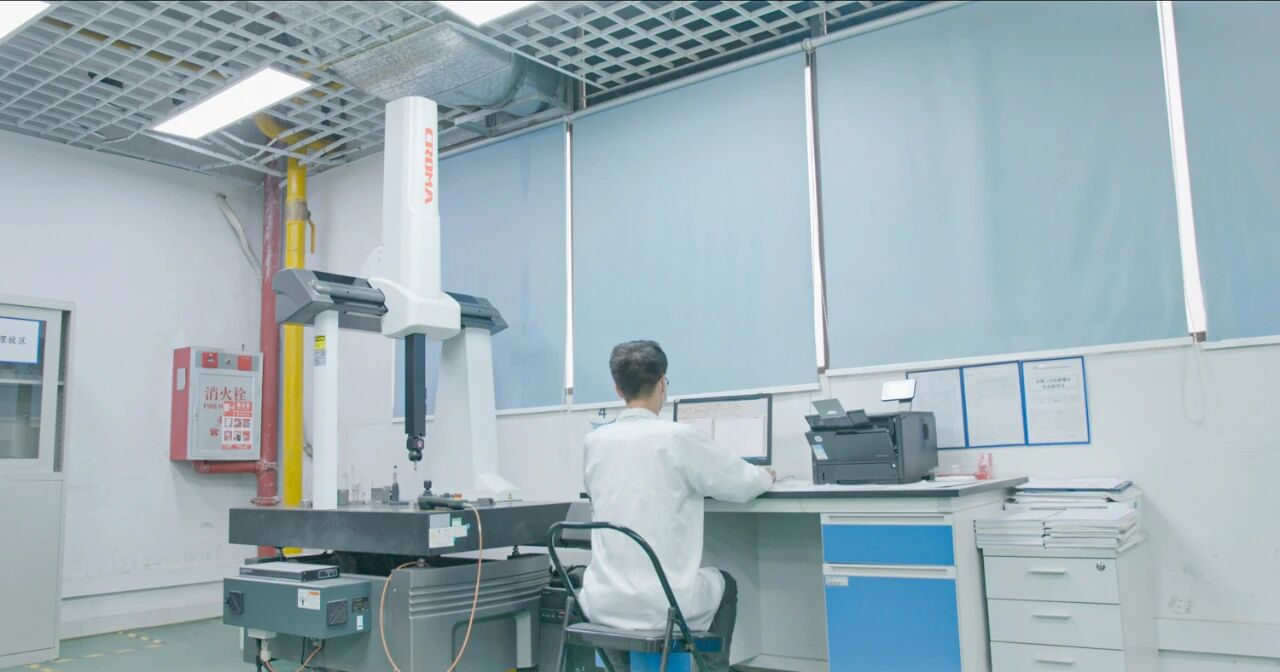
Following Huawei's relocation from Shenzhen to Songshan Lake, numerous upstream and downstream enterprises have established operations in the area. Beyond manufacturing components for Huawei smartphones, Huayan Technology now produces parts for Huawei accessories like earphones, as well as smart wearables such as smartwatches. Xu Xuhui noted that with the rise of emerging industries like 5G, future collaboration opportunities are expanding significantly.
After four years of development, Huayan Technology's R&D personnel have increased nearly tenfold, while R&D investment has consistently remained above 10% of its revenue. The company is expanding its manufacturing base and extending its product lines into automotive, medical devices, and military products. It aims to collaborate with more emerging industry enterprises in the future.
In 2021, Dongguan explicitly outlined plans to cultivate several hundred-billion-yuan strategic emerging industry clusters to build new engines supporting future high-quality development. Among these, the Dongqin Communications High-End Mobile Terminal Smart Headquarters Project is located less than 5 kilometers from Huayan Technology. Upon full completion and operation, the project is projected to generate an annual output value exceeding 20 billion yuan.

